How to Identify the Best General Contractor for Your Forthcoming Home Project
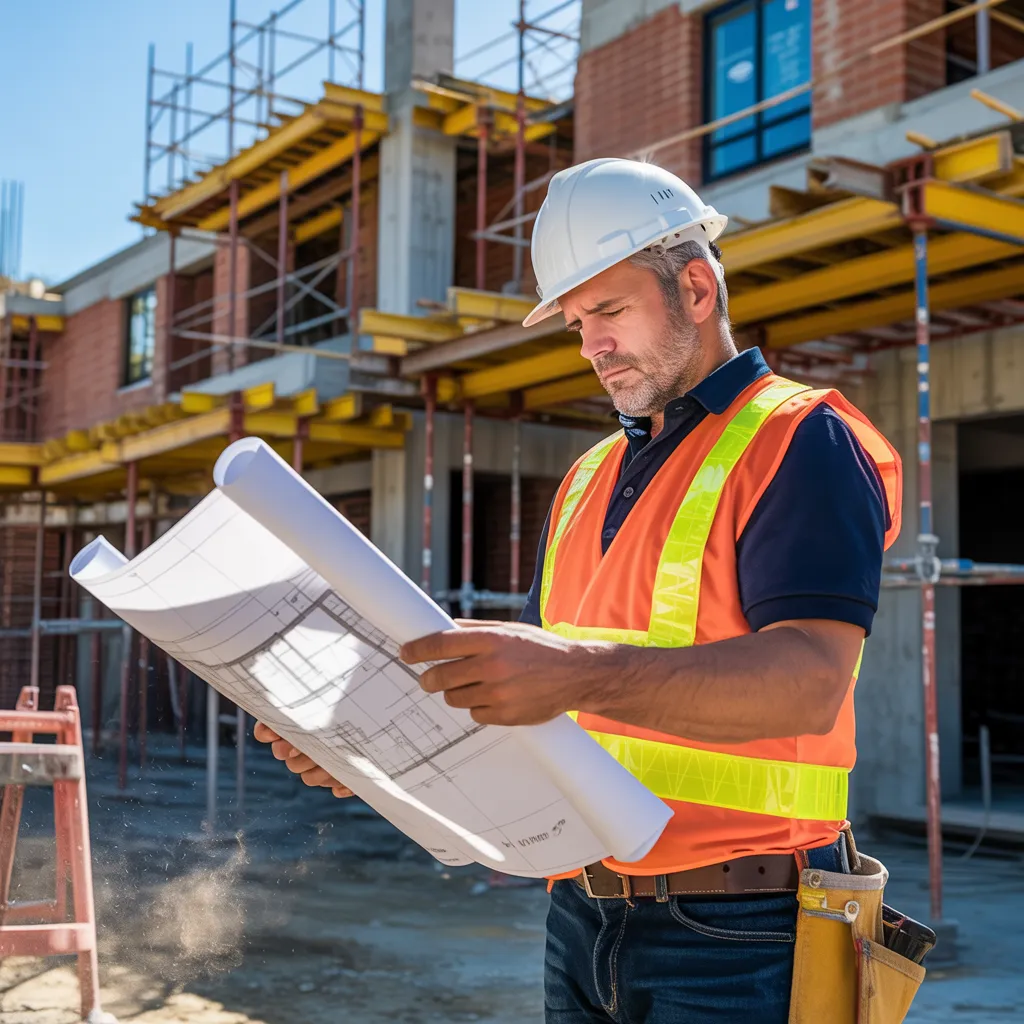
Determining the ideal general contractor for your home project is an fundamental determination. This demands deliberate analysis of numerous considerations, such as background, qualifications, and communication abilities. Numerous homeowners fail to notice critical elements, resulting in costly problems. Understanding how to assess candidate contractors can make a profound effect. By prioritizing core requirements and posing the correct inquiries, individuals can navigate this intricate process more effectively. What are the essential procedures to secure a successful relationship?
Important Points for Preventing Frequent Pitfalls When Selecting a Builder
When picking a general contractor, how should one steer through the large variety of alternatives without getting caught in usual pitfalls? Prospective clients often fail to notice important factors that can cause negative effects. First, relying solely on price can be incorrect; the lowest bid may signify below-standard work or concealed charges. Additionally, neglecting to check references or online reviews can result in selecting a contractor with an unsatisfactory reputation. It is also essential to not decide solely on personality; a warm contractor may not possess the necessary skills or reliability. Moreover, failing to establish clear communication and expectations can lead to misinterpretations and unhappiness. Finally, skipping detailed contract review prior to signing can result in hidden responsibilities or insufficient defense. By being careful and knowledgeable, homeowners can make sounder judgments, ultimately ensuring a fruitful endeavor.
What to Search For in a Contractor's Experience
When evaluating a contractor's experience, several key factors become relevant. Applicable work history, industry certifications, and an comprehensive collection of completed work represent critical indicators of their capabilities. Evaluating these elements can provide valuable insights into the contractor's appropriateness for the particular job at hand.
Applicable Assignment Experience
Recognizing a contractor's relevant project experience is crucial for ensuring the success of any building project. Prospective clients should assess the contractor's portfolio, concentrating on completed projects similar in scope and style to their own. This entails examining the caliber of craftsmanship, compliance with schedules, and budget management in previous undertakings. Additionally, it is beneficial to ask regarding the types of materials used and the contractor's familiarity with area construction regulations and standards. Reviews and recommendations from previous customers can provide insights into the contractor's dependability and communication skills. Ultimately, a contractor with considerable applicable expertise can handle difficulties effectively, ensuring the undertaking meets the homeowner's expectations and standards.
Industry Credentials And Permits
Certification and licensing act as important indicators of a contractor's professionalism and expertise in the construction industry. When choosing a general contractor, it is essential to verify that they hold the demanded licenses set by local and state regulations. These licenses show compliance with building codes and safety standards. Moreover, industry certifications, such as those from the National Association of Home Builders or other comparable organizations, reflect a contractor's dedication to high standards and continuous education. Contractors possessing specialized certifications may also have skills in particular areas, like green building or remodeling. Making sure a contractor has the appropriate credentials not only builds confidence in their abilities but also reduces potential legal and financial risks during the project.
Showcase Of Accomplished Work
The builder's portfolio of accomplished tasks acts as a essential tool for evaluating their competence and qualifications. This compilation should highlight a diversity of assignments, demonstrating varied skills in distinct styles and degrees of challenge. When looking at a portfolio, prospective customers must seek top-notch photographs that depict the quality involved. It is also beneficial to see tasks that fit the homeowner's unique demands or aesthetic preferences. Precision, original ideas, and meeting deadlines are important signals of a contractor’s proficiency. Furthermore, buyer feedback or case studies included in the portfolio provide enhanced perspective into the contractor's professionalism and reliability. Finally, a strong portfolio enables homeowners to make informed decisions regarding their pending assignments.
How to confirm Your Contractor's Credentials and Licenses
Before retaining a general contractor, it is necessary to substantiate their credentials and licenses to confirm they exceed industry standards. Initiate by contacting regional licensing bodies to confirm that the contractor obtains the necessary credentials for your locale and assignment. Each state maintains its own requirements, so understanding them can eliminate later complications.
Furthermore, inquire about insurance coverage, encompassing liability and workers' compensation, to secure protection against potential accidents or damages. Collect references from previous clients and touch base to gauge satisfaction and reliability.
Lastly, check any qualifications the contractor may obtain, as these often show professional development and adherence to industry best practices. A detailed review process not only ensures adherence but also creates assurance in the contractor's ability to execute the project successfully.
Why Open Communication Is Vital in Your Contractor Relationship
Effective dialogue plays a pivotal role in the contractor-client relationship, shaping the project's success from the beginning. Clear dialogue establishes expectations, timelines, and budgets, ensuring both parties are aligned on the project's goals. When clients articulate their vision effectively, contractors can provide knowledgeable recommendations and solutions, enhancing the overall outcome.
Frequent updates and accessible communication pathways facilitate quick resolution of issues as they occur, limiting potential delays. Additionally, a contractor who pays heed and acknowledges client feedback nurtures trust, which is indispensable for collaboration.
Additionally, effective dialogue assists in handling changes and unexpected challenges, maintaining the project on schedule. It enables the contractor to modify approaches based on customer input, guaranteeing satisfaction throughout the project. In the end, prioritizing communication not only reinforces the contractor-client relationship but also significantly adds to the successful finishing of the home project.
Fundamental Points to Present to Your Service Provider in Initial Meetings
At the start of meetings with a contractor, clients should concentrate on comprehending their experience and qualifications. It's required to explore the project timeline and budget to guarantee agreement with the client's expectations. These questions provide a basis for a successful partnership and effective project management.
Background and Qualifications
Selecting a building contractor relies on understanding their professional history and certifications. Homeowners are advised to inquire about the contractor's experience duration and the kinds of projects completed. Detailed questions about licenses, certifications, and liability coverage are essential because these ensure compliance with local regulations and offer protection during the project. Moreover, looking at past work through portfolios or client references can give insight into the contractor's workmanship and dependability. It is also worthwhile to inquire about their knowledge of similar projects, as this can suggest their capacity to manage specific situations. Ultimately, judging a contractor's skills and credentials strengthens trust and helps homeowners make informed decisions about their home projects.
Project Timeline and Budget
increasing the chances of a successful project.
Guidelines for Assessing References and Analyzing Reviews
What actions should one take to guarantee a general contractor is reliable? First, it is important to obtain a list of references from potential contractors. A reputable contractor will promptly provide names and contact information of previous clients. One should reach out to these references to inquire about their experiences, emphasizing factors including communication, quality of work, and adherence to timelines.
Moreover, exploring online reviews on channels like Google, Yelp, or Angie's List can supply meaningful understanding. It is important to detect consistencies in the reviews—consistent commendation or criticism can point to reliability or conceivable issues.
Furthermore, checking for any issues filed with local licensing boards or consumer protection agencies can disclose a contractor's track record. Finally, demanding recent work samples can help determine the standard of their output. By taking these actions, one can make a more informed decision when hiring a general contractor.
Comprehending Contractor Charges and Financial Requirements
Property owners should become acquainted with conventional payment terms. Most contractors request a deposit ahead of time, preceded by progress payments associated with project milestones. It's important to discuss these terms before agreeing to a contract to eliminate misunderstandings. Moreover, homeowners should ask about potential hidden fees, such as permits or emergency repairs. Transparent dialogue regarding financial terms and costs will help develop a straightforward working relationship, ultimately achieving a successful project outcome. Grasping these elements gives homeowners the ability to make smart choices when identifying a general contractor.
Frequently Posed Questions
What Timeframe Should We Expect for Project Delivery?
The project timeline typically varies depending on scope and complexity. Generally, completion may take multiple weeks or months. Elements such as climate conditions, material availability, and workforce availability can greatly influence the project completion schedule.
What Happens if Unforeseen Problems Arise During Development?
If unexpected issues happen during construction, the contractor typically examines the situation, communicates with the homeowner, and proposes solutions. Adjustments to the timeline start here and budget could be necessary, ensuring transparency throughout the project.
Do I Require Approvals or Inspections for My Undertaking?
Most projects require permits and inspections to guarantee compliance with local construction regulations. It is crucial to engage with a general contractor who comprehends these specifications, as they can navigate the permit approval process effectively.
What Is Your Method to Managing Subcontractors and Their Payments?
A respected general contractor administers subcontractors by formulating transparent terms laying out payment terms. They assure punctual payment, maintain clear dialogue, and review subcontractor achievements, nurturing a collaborative environment that promotes project achievement and optimization.
What Policy Do You Have Regarding Project Changes or System Enhancements?
The contractor employs a flexible approach to project changes, requiring documented proof for any modifications. They commit to clear communication, assess cost implications, and adapt timelines accordingly to support the client's dynamic needs and preferences.
Comments on “Tucson General Contractor: Reliable Project Management Services for Commercial Properties”